
Your home is likely one of your biggest investments, and homeowners insurance is designed to help protect it. But there’s a common misconception that once you have a policy in place, you’re covered for just about anything that could go wrong.
Unfortunately, that’s not always the case.
Most homeowners insurance policies provide valuable protection against events like fire, theft, and certain types of storm damage. However, they also come with exclusions, coverage limits, and conditions that can leave homeowners facing unexpected expenses.
For homeowners in Oregon and throughout the Pacific Northwest, understanding these gaps is especially important.
Here are seven things your homeowners insurance may not cover, and what you can do about them.
Living in Oregon means we’re no strangers to rain. But did you know that most standard homeowners insurance policies don’t cover flooding?
If heavy rainfall causes a nearby creek to overflow, or surface water enters your home, the resulting damage generally won’t be covered by your standard homeowners policy.
And here’s something many homeowners don’t realize: You don’t have to live in a designated high-risk flood zone to experience flooding.
What you can do: Consider purchasing a separate flood insurance policy through the National Flood Insurance Program (NFIP) or a private insurance provider. An independent insurance agent can help you explore available options.
Oregon homeowners have another risk worth considering: earthquakes.
While earthquakes may not be something we think about every day, the Pacific Northwest is home to the Cascadia Subduction Zone, making earthquake preparedness an important consideration.
Unfortunately, standard homeowners insurance typically excludes damage caused by earthquakes and other earth movement.
That means damage to your foundation, walls, or other structural components resulting from an earthquake may not be covered.
What you can do: Ask about earthquake insurance, which may be available as an endorsement to your existing policy or as separate coverage. Be sure to understand the deductible, which may be calculated as a percentage of your insured home’s value.
Imagine coming home to find that a sewer backup has flooded your basement or that your sump pump failed during a heavy rainstorm.
It’s not a pleasant scenario, and it can become an expensive one.
Many standard homeowners policies don’t automatically include coverage for damage caused by water backing up through sewers or drains, or overflowing from a sump pump.
This is different from certain sudden plumbing failures, which may be covered depending on your policy and the circumstances.
What you can do: Ask your insurance agent about water backup coverage. This optional endorsement may help cover qualifying cleanup and repairs resulting from sewer backups or sump pump overflows.
Your homeowners insurance likely includes personal property coverage for belongings such as furniture, clothing, and electronics.
But what about your engagement ring, family heirlooms, fine art, or valuable collections?
Certain categories of personal property may have special coverage limits, particularly for theft. Those limits could be significantly lower than the actual value of your belongings.
For example, even if your policy provides substantial personal property coverage overall, it may have a much smaller limit for stolen jewelry.
What you can do: Consider scheduling valuable items or adding a personal property endorsement. You may also want to obtain appraisals and maintain an updated home inventory.
Homeowners insurance is designed to help with covered losses, not replace routine home maintenance.
For example, if a pipe suddenly bursts and damages your floors, your policy may provide coverage.
But if a slow leak goes unnoticed for months, causing extensive rot or mold, the damage may be excluded or limited.
Other examples of potentially uncovered damage include:
Long-term roof deterioration
Termite or rodent infestations
Gradual plumbing leaks
Rot, corrosion, and normal wear and tear
What you can do: Stay on top of regular maintenance, address problems promptly, and document repairs. Understanding the difference between sudden accidental damage and gradual deterioration can help you avoid surprises.
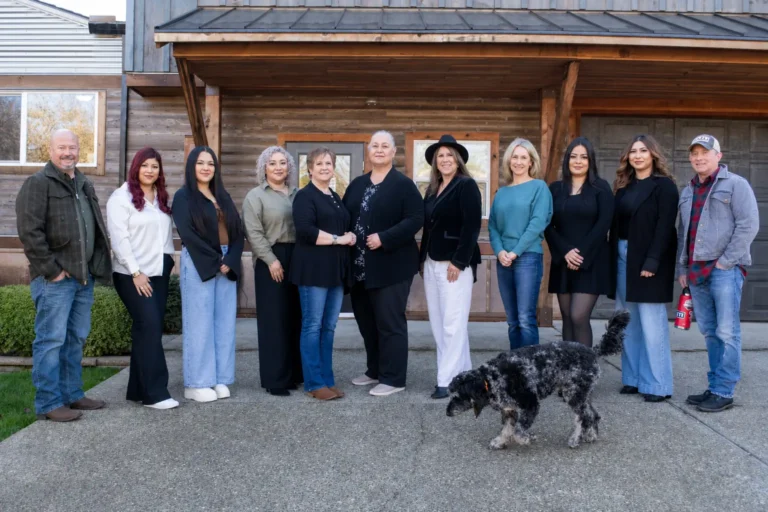
When you purchase insurance directly from a company, you’re generally evaluating the products and coverage options that company offers. An independent insurance agency like Gelfand Insurance Group can help you explore options from multiple insurance carriers. That means you can compare more than just premiums. You can also evaluate coverage differences, available endorsements, deductibles, and policy limits.
Two homeowners may have similar houses and pay similar premiums but have very different levels of protection. Your coverage can depend on your insurance company, policy form, endorsements, deductibles, and coverage limits.
That’s why it’s important to review your policy periodically, especially when you’ve made significant changes to your home or lifestyle.
Here are a few questions worth asking:
Does my policy include water backup coverage?
Do I need separate flood or earthquake insurance?
Are my valuables adequately insured?
Is my home insured for its current rebuilding cost?
Do I have enough personal liability coverage?
Have I made improvements or purchases that require updated coverage?
If you don’t know the answers, it may be time for an insurance review.